
Horse and Human Instruction, Coaching, and Clinics Worldwide
A Horse-Centric Approach
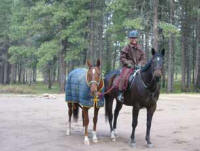
Samantha Harvey has developed a simplified and effective approach to understanding horses and learning horse-related skills to create a thinking, willing, adaptable, and reasonable equine partner. Sam realized that the all too common "driving, making, and breaking" horse training techniques — were not only unrealistic, but also had long-term negative effects on the equine. Years of developing her skills in combining mental availability in the equine with physical adaptability and willingness has proven that addressing the horse in a manner that has value to him creates long-term, positive outcomes.
Horse Behavior Help: Building a Foundation
Raising Awareness, Improving Timing, and Developing Adaptability
Her students gain the ability to identify the root causes of unwanted horse behavior to learn the horsemanship skills necessary to address these issues confidently. By acknowledging their own behavioral patterns and emotional triggers, riders can replace reactive critical thinking with what Sam calls "Positive Alternatives," enabling proactive, real-time, relevant decision-making and communication while maintaining realistic goals for their equine partner.
Individual Teaching Approach
Meeting the Student at their Ability and Skill Level
Prioritizing acknowledgment of the horse's feedback and communication, one can diminish worried, fearful, or dangerous behaviors. Equine Coach Sam Harvey's goal is to help students build a quality equine partnership based on a common language that creates mutual respect and trust, mentally available, and physically willing equine partners.
Her individualized groundwork and horse rider instruction is adapted to the meet the human and horse at their current abilities. Her approach combines addressing the horse's mental and emotional state that influences his physical behaviors. She focuses on breaking down the biomechanics to develop balanced riding and soft, engaged horse movement. Students can confidently apply their skills to work with their horses in the "real world," regardless of their chosen discipline.
"Thought I should tell you, though, how often I use the tools you give us. Feeding, leading, loading, riding, it doesn't matter what I'm doing, I'm far more aware of what my horses are feeling and thinking, which (as you obviously know!) leads to better communication and a positive outcome. I think the loading moments are my favorites...where is the brain?...come back to me!...oh, hello, you wanted what? Thanks for expanding the horizons of both me and my horse."